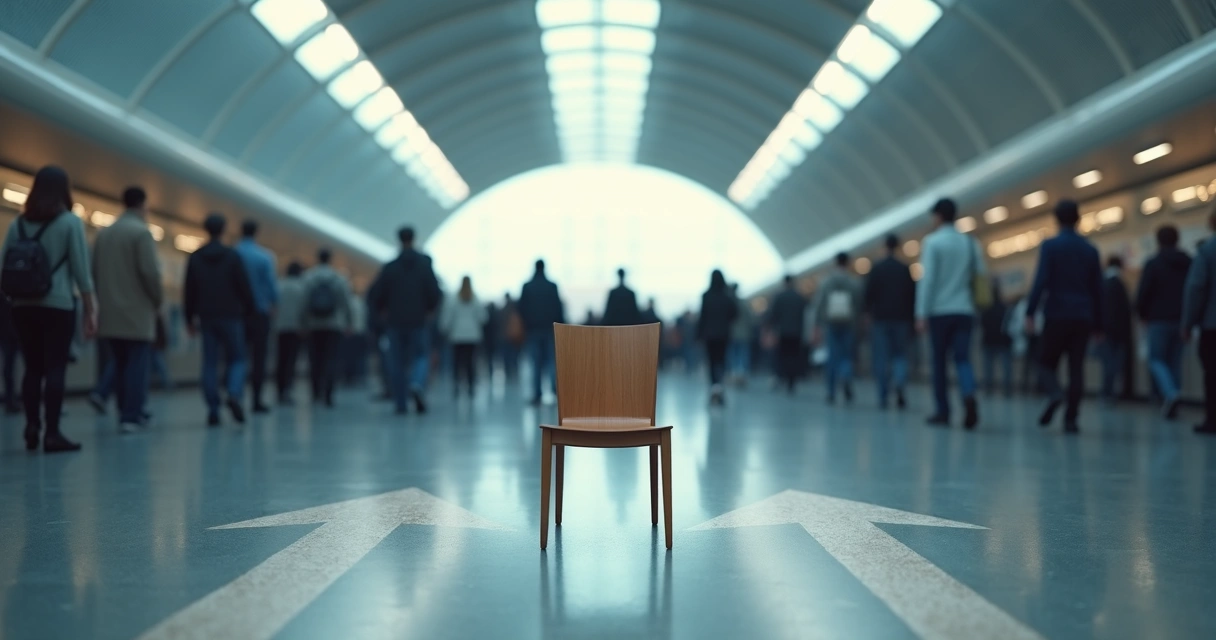


We all know the feeling. A choice is in front of us. It may be small, like sending a message, or larger, like changing jobs, ending a draining commitment, or starting a project we have delayed for months. We say we need more time. Then more clarity. Then the right mood. Days pass. Nothing moves.
Decision deferral looks harmless at first. It can seem careful, wise, even mature. But often it is only fear with good manners. We wait, not because we need better facts, but because we do not want discomfort.
Delay is also a decision.
In our experience, people rarely get stuck because they are lazy. They get stuck because a decision feels tied to identity, loss, conflict, or uncertainty. When that happens, the mind starts protecting itself. It creates extra steps, extra doubts, and extra noise.
Deferring decisions drains energy because the mind keeps paying attention to what the hands are refusing to do.
This matters more in 2026, when life feels crowded by alerts, options, opinions, and constant comparison. If we do not train ourselves to decide with more clarity, we end up living by reaction instead of direction.
Why we put decisions off
Not every delayed decision comes from the same place. We have seen at least four common roots. When we name them, action becomes easier.
Sometimes we delay because we want certainty. We tell ourselves that one more day will bring the perfect answer. It usually does not. It only extends tension.
Sometimes we delay because we fear regret. We imagine making the wrong call and carrying the weight of it later. So we postpone. Yet postponing has its own cost.
And sometimes the issue is emotional overload. A tired mind does not like responsibility. It prefers escape.
Fear of making a mistake
Need for approval from others
Mental fatigue and low emotional capacity
Confusion between thinking and acting
There is also a less obvious problem. We can get attached to the feeling of being almost ready. It gives us the comfort of intention without the exposure of action.
A study on severe procrastination and its broad harms across life domains showed links with sleep, physical and mental health, social relationships, and performance. That tells us something simple. Ongoing delay is not a minor habit. It can spread into many parts of life.
What action looks like in real life
We once watched someone spend three weeks deciding whether to send a short proposal email. The draft was fine on day one. What kept it unsent was not lack of skill. It was the silent pressure of possible rejection. After naming that fear, the message was sent in ten minutes.
That is how this works in real life. The surface issue says, “I still need to think.” The deeper issue says, “I do not want to feel exposed.”
Many delayed decisions are emotional problems wearing logical clothes.
When we understand this, we stop trying to solve every delay with more research, more notes, or more planning. Sometimes the next step is not more thought. It is more honesty.

Simple ways to decide and move
We do not need dramatic methods. We need simple ones that can survive a normal day. The goal is not speed for its own sake. The goal is movement with awareness.
Here are practical ways we can stop deferring and start doing.
Name the real decision. Many of us hide the actual choice behind side questions. “Should I wait a bit more?” often means “Am I willing to risk discomfort now?”
Reduce the time window. Give the decision a limit. Thirty minutes. One evening. One morning. Open-ended thinking invites avoidance.
Choose the next step, not the whole path. We do not always need a five-year answer. We may only need the next clear move.
Write the cost of waiting. This brings honesty. Delay feels safer until we see what it is taking from us.
Use a body check. If the chest tightens every time we think of a choice, emotion is active. That does not mean stop. It means notice.
After using one of these methods, act while the mind is still clear. If we decide but do not move, the old loop can return fast.
A good decision today is often better than a perfect decision that never happens.
How to act when the choice feels heavy
Some decisions carry grief, change, and real consequence. We should not treat them lightly. Still, seriousness does not mean endless postponement.
When a choice feels heavy, it helps to separate facts from projections. Facts are what is happening now. Projections are the stories we tell about every possible future. The mind can turn projections into prison.
We can ask:
What do we know for sure today?
What are we only imagining?
What action matches our values, even if it feels hard?
These questions bring us back to internal coherence. We may still feel fear. That is normal. Courage is not the absence of fear. It is the choice to move with awareness while fear is present.
Clarity often follows action.
We think many people wait for confidence before acting. Yet confidence often grows after action, not before it.

Build a decision habit for 2026
One decision will help today. A decision habit will help all year. In our view, this is less about force and more about training.
We can create a simple rhythm:
Set one daily decision that will not be postponed
Keep a short list of open choices, so they do not float in the mind
Review old delays once a week and either decide or remove them
Notice where we ask others to decide for us by silence
These are small practices, but they restore authorship. And authorship changes how we live. Instead of waiting for the ideal mental state, we become people who can feel tension and still choose.
That shift has emotional value. It strengthens trust in ourselves. It also reduces the hidden fatigue that grows when life is full of unfinished inner negotiations.
Conclusion
Stopping decision deferral is not about becoming cold, fast, or rigid. It is about becoming honest enough to see when waiting is wise and when waiting is avoidance. The difference changes everything.
In 2026, taking action will require more than information. It will require presence, emotional steadiness, and willingness to accept that not every good decision comes with total certainty. We do not need to control every outcome before we move. We need to choose with awareness, then stand by the next step.
If one decision has been following us for days, this may be the moment to face it. Not all at once. Just clearly. Then act.
Frequently asked questions
What is decision deferral?
Decision deferral is the habit of postponing a choice even when enough information is already available. It often happens when we feel fear, doubt, pressure, or emotional overload.
How to stop deferring decisions?
We can stop by naming the real choice, setting a time limit, reducing the decision to one next step, and acting before doubt grows again. Writing the cost of waiting also helps.
Why do people delay decision making?
People delay decisions because they fear mistakes, rejection, regret, conflict, or change. In some cases, the mind uses delay as a way to avoid emotional discomfort.
What are quick ways to take action?
Quick ways include using a short deadline, choosing the next move instead of the full plan, removing distractions, and completing one small action right after making the decision.
Is it worth it to decide faster?
Yes, when faster means clearer and more direct. Deciding sooner can reduce mental strain, free attention, and help us build trust in our own judgment. It should still be thoughtful, not rushed.