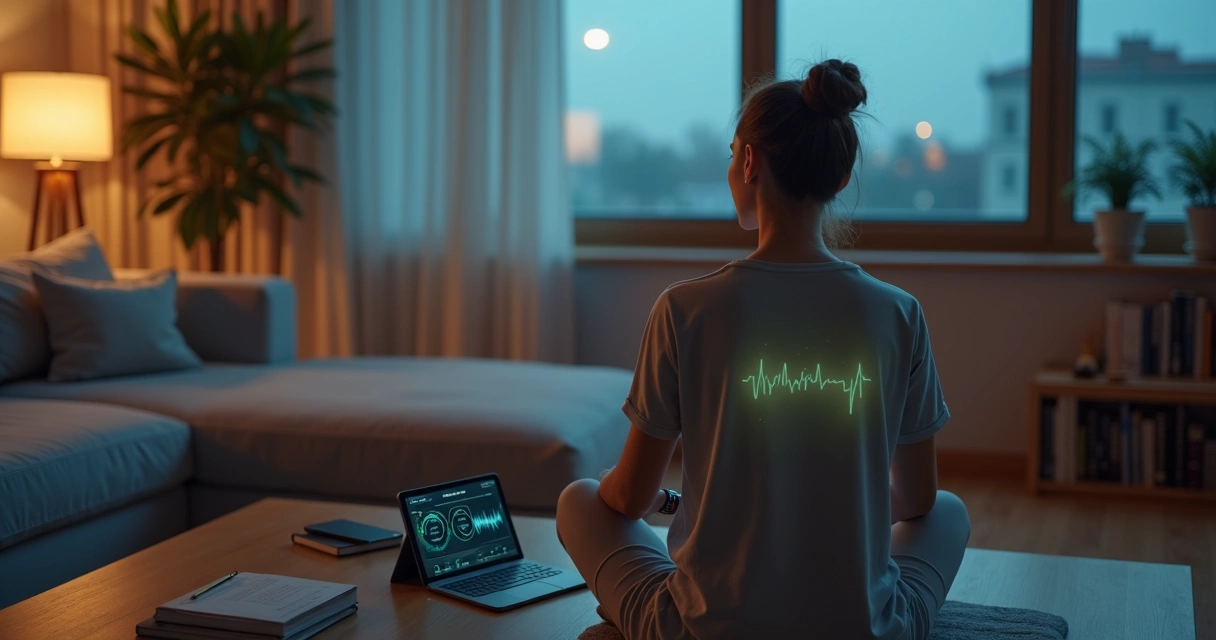
In 2026, self-coaching is becoming more concrete. We no longer have to guess what stress, focus, or emotional overload feel like only after the fact. Biofeedback gives us signals in real time. Heart rate variability, breathing patterns, skin response, sleep quality, and muscle tension can now guide daily reflection in a direct way.
Biofeedback self-coaching means using body data to improve awareness, choices, and emotional regulation.
We see this as a practical bridge between inner experience and visible patterns. A person says, “I thought I was calm.” Then the device shows a sharp stress response during a meeting, a difficult call, or even while reading messages late at night. That kind of moment changes the coaching process. It becomes less abstract. More honest.
Still, biofeedback is not magic. Data alone does not create maturity. Numbers need interpretation, context, and restraint. When used well, though, biofeedback can help us coach ourselves with more accuracy and less self-deception.
Why biofeedback matters now
A few years ago, many people used wearables only for steps and sleep. In 2026, the wider shift is different. People want tools that support self-regulation, emotional steadiness, and better decisions under pressure. Biofeedback fits this need because it reflects how the body responds before the mind creates a story about it.
We often notice the same pattern. A person says they are “fine,” but their breathing is shallow, their HRV is low, and their body is stuck in a defensive state. This gap matters. Self-coaching starts to deepen when we stop coaching only our thoughts and begin coaching our state.
State shapes choice.
This is one reason biofeedback is gaining space in personal growth, leadership routines, recovery plans, and emotional habit building.
What people are using biofeedback for
Most practical uses in 2026 are simple. They do not depend on complex labs or clinical settings. They depend on repetition, pattern tracking, and honest review.
We are seeing biofeedback support self-coaching in at least these areas:
- Managing stress before it turns into reactivity
- Training slower and more stable breathing
- Improving attention during work blocks
- Spotting hidden triggers in relationships
- Building better wind-down habits before sleep
- Reducing tension linked to headaches or jaw clenching
The best use of biofeedback is not control, but recognition.
That distinction matters. If we become obsessed with “perfect readings,” we create a new form of tension. If we use readings to notice patterns, then self-coaching becomes calmer and more useful.
Practical self-coaching routines
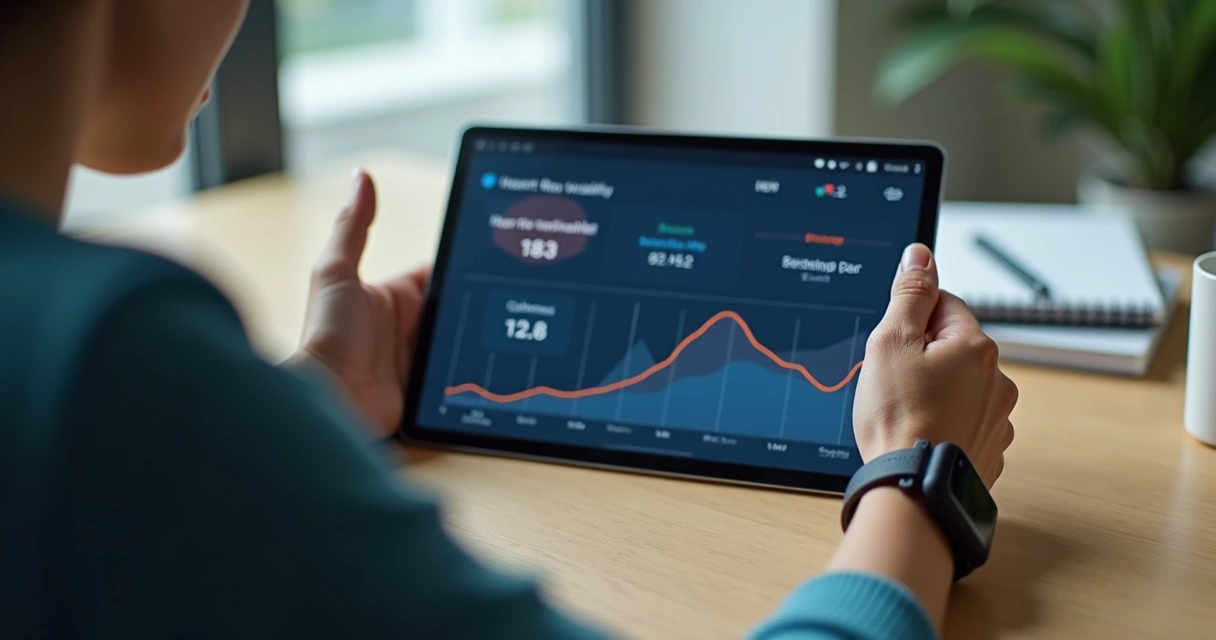
Tools matter less than routines. A strong routine turns body data into change. Without that, we just collect numbers.
We suggest a simple four-step rhythm for daily use:
- Check one or two signals at the same time each day
- Name your mental and emotional state in plain words
- Do one short intervention, such as breathing, posture reset, or screen break
- Review what changed after five to ten minutes
This can take less than fifteen minutes. The point is not volume. It is consistency.
For example, someone may notice low HRV every Monday morning. At first, they blame workload. After two weeks, they notice the real trigger is poor sleep on Sunday and anticipatory stress about one recurring meeting. That insight creates a smarter coaching response. They can prepare emotionally, change their evening routine, and enter the meeting with a steadier body.
Good self-coaching asks, “What pattern is repeating, and what choice can interrupt it?”
Emotional regulation and trauma-sensitive use
Biofeedback can be helpful for people dealing with emotional strain, but we think care is needed here. Some body signals can bring relief. Others can make a person more self-conscious or anxious if used without grounding.
What helps is staying practical. Instead of trying to force calm, we can ask:
- What was happening right before this spike?
- Was I bracing, rushing, or avoiding?
- What helped my body settle, even a little?
There is also growing evidence that body-based feedback can support people with mixed emotional and physical symptoms. In a 2025 randomized controlled trial on HRV biofeedback for people with PTSD and chronic pain, a 6-week intervention led to a 24.3% drop in PTSD symptoms, an 18.9% reduction in trauma-related distress, and a 24.9% improvement in pain interference compared with a wait-list group. That matters because many people do not experience stress as “just mental.” They feel it in sleep, pain, tension, and daily functioning.
In our view, this supports a balanced message. Biofeedback can be a strong companion in self-coaching, especially when emotion and body strain are linked. Still, when symptoms are severe, self-coaching should not replace proper care.
Headaches, migraines, and tension patterns
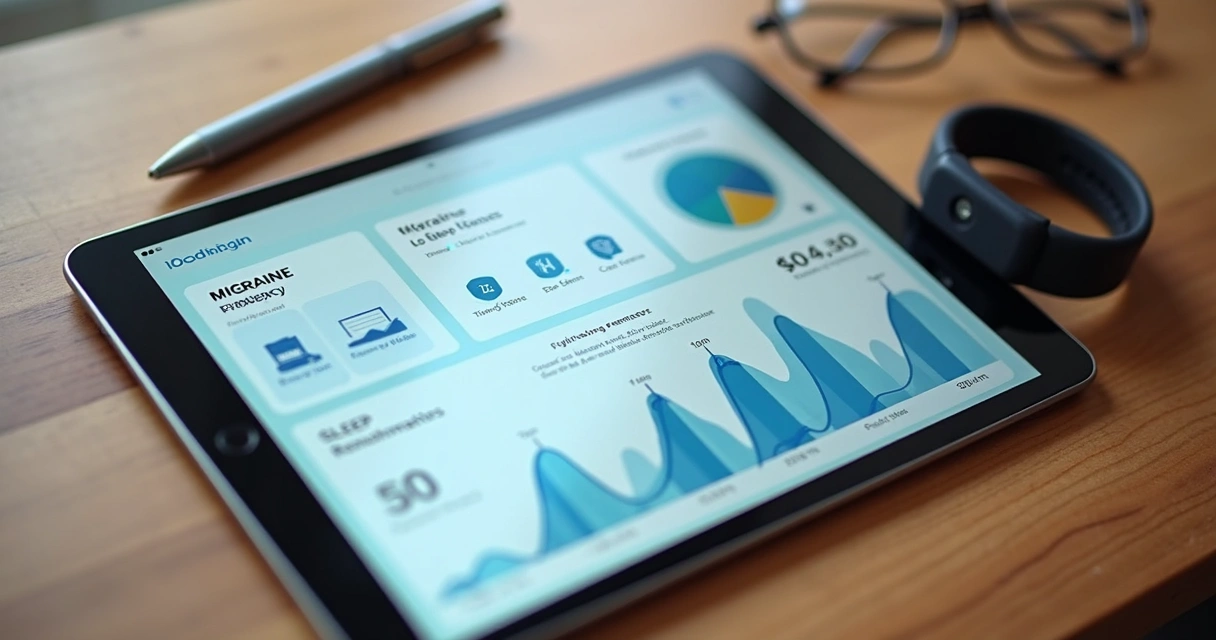
Another practical use in 2026 is headache self-monitoring. Many people live with recurring migraines or tension headaches without seeing clear links between stress, sleep, muscle tension, and sensory overload. Biofeedback can help connect those dots.
For some, the first clear sign is not pain. It is neck tension, rising skin conductance, poor recovery, or irregular breathing. Once that early pattern becomes visible, people can act sooner. They may lower light exposure, pause work, hydrate, or do a short relaxation drill before symptoms grow.
Current research gives this use some support. A 2025 meta-analysis on biofeedback for migraine found that biofeedback reduced migraine frequency and severity compared with no-treatment groups, while also improving disability, anxiety, and quality of life. It did not clearly beat active treatments, but that is still useful. It suggests biofeedback has real value as part of a wider plan.
Limits and common mistakes
Not every signal is meaningful every day. Noise exists. Devices vary. Bodies vary too. We have seen people become too attached to single readings and lose sight of the wider pattern.
Some mistakes are common:
- Checking data too often and increasing anxiety
- Treating low scores as personal failure
- Ignoring sleep, conflict, diet, and workload context
- Trying too many interventions at once
- Using consumer data as if it were a diagnosis
The wiser path is slower. Track, reflect, test, adjust. Then repeat.
Conclusion
Self-coaching with biofeedback in 2026 is less about gadgets and more about conscious practice. It helps us see when the body is contracted, overloaded, avoidant, or settling. That visibility can sharpen reflection and improve how we respond to pressure, pain, distraction, and emotional strain.
We think the real value lies in learning how to read ourselves with more honesty. Not perfectly. Not obsessively. Just more clearly. Biofeedback gives signals. We still have to choose what kind of person will respond to them.
Frequently asked questions
What is biofeedback self-coaching?
Biofeedback self-coaching is the practice of using body data, such as heart rhythm, breathing, muscle tension, or stress response, to guide self-awareness and behavior change. We use the signals to notice patterns, test calming methods, and build better daily habits.
How does biofeedback work in 2026?
In 2026, biofeedback usually works through wearables, mobile apps, finger sensors, smart rings, watches, or connected breathing tools. These devices track body signals in real time and show trends over hours or days. We then compare the data with mood, sleep, work stress, and routines to make better choices.
Is biofeedback self-coaching worth it?
For many people, yes. It can be worth it when the goal is better self-awareness, steadier emotional regulation, and earlier response to stress patterns. We think it works best for people who are willing to review patterns patiently, rather than chase perfect scores.
Where can I get biofeedback devices?
Biofeedback devices can be found through health technology retailers, medical equipment providers, wellness stores, and online marketplaces that sell wearables and sensor-based tools. We suggest choosing devices with clear data displays, comfort for daily use, and measurements that match your coaching goal.
What are the best biofeedback apps?
The best biofeedback apps are usually the ones that are easy to read, track trends well, and pair smoothly with your device. We recommend looking for apps that show simple charts, allow notes or journaling, and support breathing or recovery exercises. The best choice depends on whether you want stress tracking, sleep support, migraine pattern review, or breathing practice.