

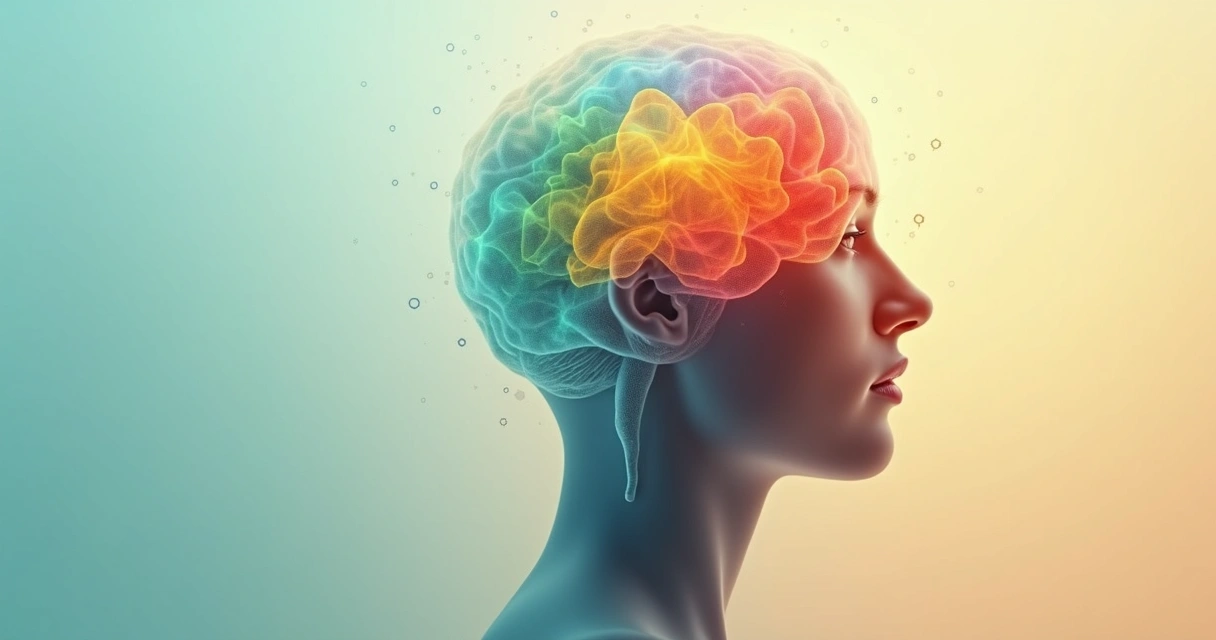
Have you ever felt something deeply but could not quite name it? Maybe you told a friend you felt “bad,” but the reality was more layered—perhaps it was frustration mixed with disappointment, or anxiety shadowed by hope. Most of us, at one time or another, have described our feelings in broad strokes. Yet growing research and our own experience suggest there is real power in being more precise about what we feel. This power comes from emotional granularity.
What emotional granularity means
Emotional granularity is the ability to identify and label your emotions with high specificity. Instead of stopping at “I feel happy” or “I feel sad,” people with high emotional granularity might name emotions like “prideful,” “content,” “overwhelmed,” “disappointed,” or “peaceful.” Every distinct label captures a slightly different experience, story, and cause. When we practice emotional granularity, we engage our minds and bodies in a more detailed map of our inner world.
Words give shape to feelings.
The value of this precision goes beyond richer self-description. Naming emotions in detail is connected to better emotional regulation, greater resilience, and deeper self-awareness. Simply put: when we know exactly what we are feeling, we are less likely to be pushed around by those feelings.
Why being precise about emotions matters
In our lives—whether at home, with friends, or at work—we face constant changes, pressures, and surprises. Emotions show up as our first signals. When we can decode those signals accurately, we give ourselves space between impulse and action.
People who are more specific in describing emotions are often better at choosing healthy ways to respond to those emotions. For example, anger is not always the same: it can be irritation, annoyance, rage, or frustration. Each calls for a different response. If we know it’s frustration rather than rage, perhaps we can approach the moment with a problem-solving mindset, instead of losing patience or saying something we might regret.

When we lack emotional granularity, emotions become a blur. Acting on the blur means reacting on half-information. This makes us prone to impulsive decisions or unhealthy coping habits, like avoidance or aggression.
How emotional granularity shapes behavior
Throughout the years of working with people across many contexts, we have seen that those who develop a strong vocabulary for their emotions tend to have richer relationships and a steadier self-image. Why is this?
- Nuanced self-talk: The way we speak to ourselves changes when we swap “I’m stressed” for “I feel nervous about my performance review.” Clarity creates room for compassion and action.
- Better communication: We help others help us. Telling a friend “I’m discouraged because my ideas were ignored” invites a type of support that “I’m upset” cannot bring.
- Reduced emotional overwhelm: Pinpointing what we feel helps us break down big, messy states into smaller, solvable parts.
- Wiser choices: Recognizing the exact emotion we feel lets us pick strategies that fit, rather than reaching for distraction or outburst by default.
A parent who can say, “I feel guilty for spending less time at home” is more likely to make an intentional change, rather than simply feeling "bad" and withdrawing. The process starts with words, but the effects reach deep into our habits and values.
What shapes our emotional vocabulary
From childhood, we are exposed to a range of emotion words. Some families and cultures support open talk about feelings. Others may use only a few terms—sometimes just “mad,” “bad,” or “fine.” As adults, our environment keeps shaping our emotional vocabulary. Social expectations, workplace norms, and even the digital world can reward emotional ambiguity or punish vulnerability.

Thankfully, emotional granularity is something we can all improve. The process can be personal, simple, and even creative:
- Journaling feelings with as much detail as possible
- Expanding our emotion vocabulary by reading or using lists of feeling words
- Pausing to ask ourselves, “What exactly am I feeling right now?”
- Discussing complex feelings openly with trusted friends or mentors
Each small step adds a shade to our internal palette. Over time, we become more aware, less reactive, and more present to our true selves.
Practical ways to develop emotional granularity
It is natural to start with only a few basic feelings. We have seen people make real changes with very little formal practice. Sometimes, just introducing the question “Is this more anger or more fear?” in the middle of a stressful day can reveal unexpected answers and new choices.
Here are some steps that many find helpful in growing their emotional detail:
- Name the feeling: Each time you feel “bad” or “good,” try to be more specific. Is it boredom, relief, envy, or joy?
- Check your body: Notice what emotion sensations show up physically—tightness, warmth, restlessness, or ease.
- Look for the cause: Sometimes naming an emotion helps us spot the real trigger, such as feeling “left out” versus simply “sad.”
- Expand your words: Challenge yourself to learn three new emotion words each week and find moments to use them.
By increasing emotional granularity, we create a foundation for real emotional intelligence. With time, this skill helps us make wiser decisions, handle setbacks, and create deeper connections.
Words can heal or hurt. Choose them with care.
How emotional granularity connects to self-development
In our own work, we have found that people who focus on detail—not only in their tasks, but also in their feelings—tend to develop lasting emotional maturity. They have fewer regrets about things said or done in the heat of the moment. They apologize more quickly and embrace growth more openly. Emotional granularity does not just make us better communicators; it helps us grow into the kind of people who can handle the world’s complexity with calm, confidence, and care.
We believe that becoming truly present to our own feelings is both a responsibility and an opportunity. As we invite more detail and precision, we set ourselves up to engage with life with more self-respect, more patience for others, and more hope for what is possible.
Conclusion
Emotional granularity is about knowing ourselves in finer detail, and acting on that knowledge with purpose. This practice reshapes the way we think, feel, and relate—giving us the tools to manage our emotions, understand others, and make choices we can stand by. It is not perfection we seek, but a sense of inner coherence and presence. The next time a wave of emotion rises, we encourage taking a slow breath and asking, “What am I really feeling right now?” The answer may open new doors.
Frequently asked questions
What is emotional granularity?
Emotional granularity is the skill of identifying and labeling emotions with high precision, instead of using only broad terms like “happy” or “sad.” People with this skill can recognize a variety of feelings, such as “anxious,” “proud,” “disappointed,” or “curious,” which allows them to understand themselves on a deeper level.
Why does emotional granularity matter?
Being specific about emotions helps us respond to challenges more consciously and reduce the chances of impulsive or unhealthy reactions. Research and practical experience suggest that people with higher emotional granularity tend to manage stress better, communicate more clearly, and enjoy richer relationships.
How can I improve emotional granularity?
To improve emotional granularity, practice naming emotions as precisely as possible, expand your emotional vocabulary, journal regularly about your feelings, and reflect on both the physical and situational details connected to your emotions. The more you use a wide range of feeling words, the stronger this skill becomes.
What are examples of emotional granularity?
Examples of emotional granularity include distinguishing between “irritated,” “annoyed,” and “angry,” or recognizing the difference between feeling “hopeful” and “excited.” Each word represents a unique experience, even when the broader emotion category might seem similar.
Is emotional granularity linked to mental health?
Yes, emotional granularity is linked to mental health in several ways. Higher emotional granularity is associated with better stress management, reduced risk of anxiety and depression, and improved overall well-being. By being more precise about our feelings, we can address and process emotions more effectively.