
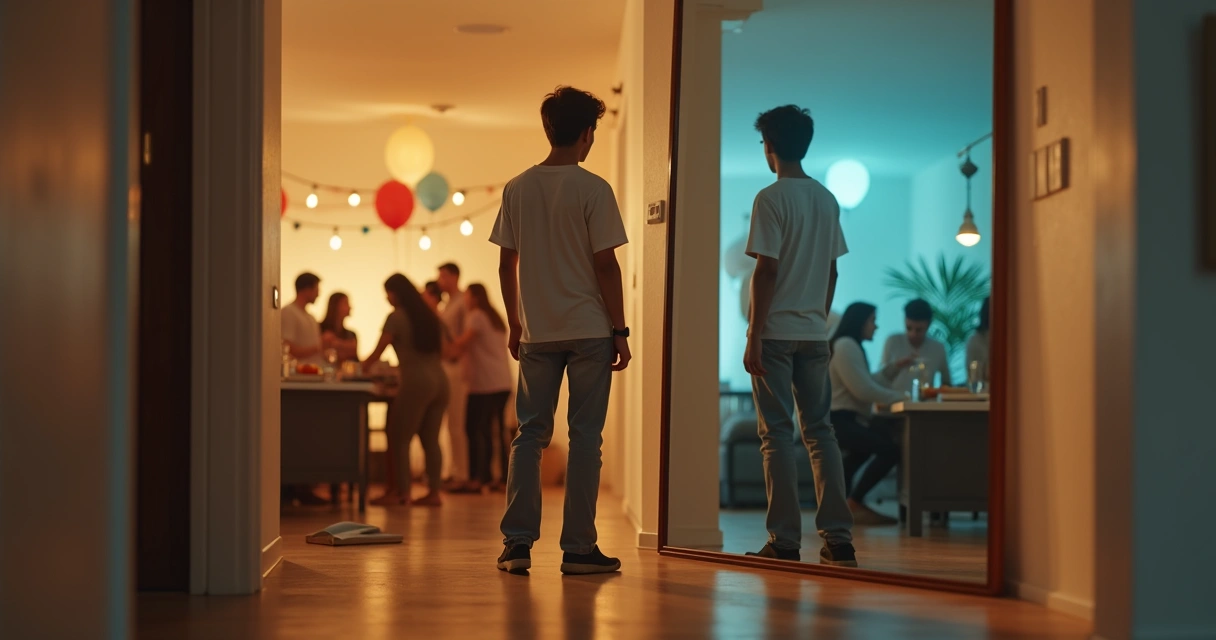
Many of us have asked the same question after a hard social moment. Are we quiet by nature, or are we holding back because fear is in charge? The difference matters. When we confuse introversion with social anxiety, we may judge ourselves unfairly, push too hard, or avoid the support that would help.
Introversion is a personality style, while social anxiety is a fear-based pattern linked to distress and avoidance.
They can look alike from the outside. A person leaves a party early. Another stays silent in a meeting. Someone declines an invitation and says, “I need time alone.” All of these could reflect healthy introversion. They could also point to anxiety. Sometimes, they reflect both at once.
We have seen how easy it is to confuse energy needs with emotional pain. A quiet person is not always afraid. A nervous person is not always introverted. The turning point comes when we stop labeling too fast and start noticing what happens inside us.
What introversion really is
Introversion is not shyness. It is not dislike of people. It is not a flaw to fix. In simple terms, introversion often means we regain energy through solitude, depth, and lower stimulation.
An introverted person may enjoy people deeply, but in smaller doses. One good conversation can feel better than a crowded room. A calm evening may restore more than a full social calendar.
Quiet does not mean afraid.
We might notice introversion through patterns like these:
Preferring one-to-one talks over group chatter
Needing rest after busy social events
Thinking before speaking
Enjoying reflective work and private time
These traits do not have to cause suffering. That is the key point. An introverted person may say no to an event and feel peace, not panic. The choice comes from self-knowledge, not fear.
What social anxiety feels like
Social anxiety has a different inner tone. It is less about energy and more about threat. We may fear being judged, embarrassed, rejected, or exposed. The body reacts. The mind races. Small interactions can feel very large.
Social anxiety often shows up as intense fear before, during, or after social situations.
For some, this fear is mild and only appears in specific settings. For others, it affects daily life. According to data on Social Anxiety Disorder among U.S. adults, past-year prevalence is about 7.1%, with lifetime prevalence around 12.1%. That tells us this is not rare, and many people carry it quietly.
We may recognize social anxiety through signs such as:
Worrying for hours or days before an interaction
Replaying conversations and judging ourselves after
Avoiding speaking up, eating, calling, or meeting people
Blushing, shaking, sweating, or freezing in social moments
Assuming others notice every small mistake
One person we can imagine sits in a meeting with a good idea. She wants to speak. She even believes the idea is useful. But her chest tightens. Her mind says, “If I talk, I will sound foolish.” She stays silent. Later, she feels regret. That pattern is not about liking quiet. It is about fear taking space.
Why they get confused
The confusion happens because both patterns can lead to less social activity. From the outside, the behavior may match. From the inside, the reason is different.
We can ask a few simple questions to tell them apart:
Do we avoid people because we feel drained, or because we feel afraid?
After saying no, do we feel restored, or ashamed?
In safe settings, do we enjoy connection, or still feel trapped by fear?
An introvert may leave a loud dinner and feel relief. A person with social anxiety may leave and then spend the night reviewing every word they said. That second layer matters. It shows the social event is still active in the nervous system, even after it ends.
We should also note that social anxiety can affect extroverts too. A person may love people and still fear judgment. They may want connection badly but struggle to move toward it.
When both are present
Sometimes introversion and social anxiety overlap. That can make self-understanding harder. We may prefer calm settings by temperament and still carry fear in social settings. In that case, we need nuance, not labels.
Among students, this overlap can become very visible. A global review of medical students found a pooled prevalence of Social Anxiety Disorder of 45.8%. Another study of Chinese college students reported social anxiety symptoms in 47.915% of participants and linked them to poorer well-being, mental health, and relationships. These numbers remind us that social fear can become woven into study, identity, and daily choices.
We can be naturally inward and still need support for anxiety.
This matters because many quiet people assume their suffering is just “how they are.” It may not be. If fear is shrinking our life, that is a signal worth taking seriously.

How to read your own pattern
We think self-observation is one of the clearest starting points. Not harsh judgment. Observation.
Try noticing these areas over one or two weeks:
Your energy before and after social contact
Your level of fear before simple interactions
Your thoughts after social events
The situations you avoid and why
Write a few lines after key moments. A short note is enough. “I wanted to go, but I feared saying the wrong thing.” Or, “I enjoyed the conversation, but now I need quiet.” These statements point in different directions.
We also find it useful to ask, “What would I do if fear were lower?” If the answer is still, “I would choose a small dinner over a big party,” that may reflect introversion. If the answer is, “I would speak, join, ask, and try,” then anxiety may be blocking natural movement.
Ways to respond with care
Once we understand the pattern, we can respond more wisely. Introversion asks for respect. Social anxiety asks for support and gradual change.
If we are introverted, it may help to:
Protect time alone without guilt
Choose social forms that fit our energy
Communicate our limits with calm honesty
If social anxiety is present, we may need a different path:
Name the fear instead of calling it personality
Take small, repeated social steps
Work on the harsh inner voice after interactions
Seek professional help when fear is persistent or disabling
Small steps matter. A brief comment in a meeting. A short phone call. Eye contact and one question. Growth often begins there. Quietly. Repeatedly.
Conclusion
When we understand the difference between social anxiety and introversion, we stop forcing the wrong answer onto our lives. Introversion is a natural way of relating to energy and stimulation. Social anxiety is a fear pattern that can restrict expression, connection, and peace.
That distinction can change the way we treat ourselves. With less confusion, we can make cleaner choices. We can honor our temperament without hiding behind it. We can face fear without betraying who we are.
Clarity creates freedom.
If we listen closely, our patterns speak. Some ask for rest. Some ask for courage. Wisdom begins when we learn which is which.
Frequently asked questions
What is social anxiety?
Social anxiety is a pattern of strong fear in social or performance situations. We may worry about being judged, embarrassed, or rejected. This fear can cause avoidance, physical tension, and repeated self-criticism after interactions.
What is introversion?
Introversion is a personality style in which we often prefer lower stimulation, more reflection, and time alone to recharge. It does not mean we dislike people or lack social skill. It mainly relates to how we restore energy.
How are social anxiety and introversion different?
Introversion is about preference and energy, while social anxiety is about fear and distress. An introverted person may enjoy solitude by choice. A person with social anxiety may avoid people because social situations feel threatening.
Can introverts have social anxiety?
Yes. We can be introverted and also struggle with social anxiety. In that case, part of our quiet nature is healthy preference, and part of it may be fear. The difference becomes clearer when we notice whether avoidance brings peace or regret.
How to overcome social anxiety?
We can begin by naming the fear, questioning harsh thoughts, and taking small social steps on purpose. Repeated practice helps the nervous system learn safety. If anxiety is intense or limits daily life, professional support can make the process more steady and effective.