
We often treat core values as fixed truths. We choose words like honesty, freedom, family, success, loyalty, or faith, and then assume the work is done. But life changes. Work changes. Relationships change. Technology changes the way we think, react, and connect. If our values stay frozen while our world keeps moving, tension begins to grow.
Core values should give us direction, not trap us in old versions of ourselves.
We have seen this happen in quiet ways. Someone says they value hard work, yet they cannot rest without guilt. Another says they value loyalty, yet they stay in harmful relationships far too long. A leader says they value excellence, yet their team only feels fear. The value itself is not always wrong. The meaning attached to it may be old, rigid, or too narrow for the life being lived now.
That is why updating core values is not betrayal. It is maturity. It is a way of bringing inner principles into contact with present reality.
When values stop supporting real life
Many of us received our first value system before we had language to question it. Family patterns, school rules, social pressure, religion, and work culture all shaped what we thought a good person should be. Some of those lessons helped. Some did not age well.
A recent survey on what people rank as their top value found that family came before freedom for many adults. That says something clear. Social values shift when the world feels unstable. People start redefining what matters most. We think that same movement happens inside individuals too.
If we ignore that shift, we start living by memory instead of awareness.
Old values can create new problems.
Five signs your values may need revision
Usually, values do not become outdated all at once. The signs show up in daily friction. We feel confused, drained, defensive, or split between what we say and what we do.
Here are common signs we have noticed:
We keep making choices that look right on the outside but feel wrong inside.
We feel guilty when we set boundaries, rest, or change direction.
We judge others harshly for living differently, even when their choices cause no harm.
We use one value to excuse emotional avoidance, control, or fear.
We feel split between our stated beliefs and our real behavior.
For example, we may say we value responsibility. That sounds good. But if responsibility means carrying what belongs to everyone, never asking for help, and staying available all the time, then the value has become distorted. It is no longer guiding healthy action. It is feeding imbalance.
A value needs updating when it creates chronic inner conflict instead of coherent action.
Modern life puts pressure on old definitions
Today’s challenges are not only personal. They are social, emotional, and cultural. We live with constant information, public exposure, fast feedback, and changing norms. In this kind of environment, many inherited definitions stop working.
We can see this at a broader level too. Research on attitudes toward change and tradition showed that a large majority believed their country would be better off embracing change. That does not mean all tradition is bad. It means people sense that rigid attachment can become a barrier when reality asks for adaptation.
We think the same applies to personal values. A value like independence may have helped us survive a chaotic home. Years later, that same value may block intimacy. A value like humility may have protected us from arrogance. Later, it may stop us from speaking clearly about our strengths.
What an outdated value often looks like
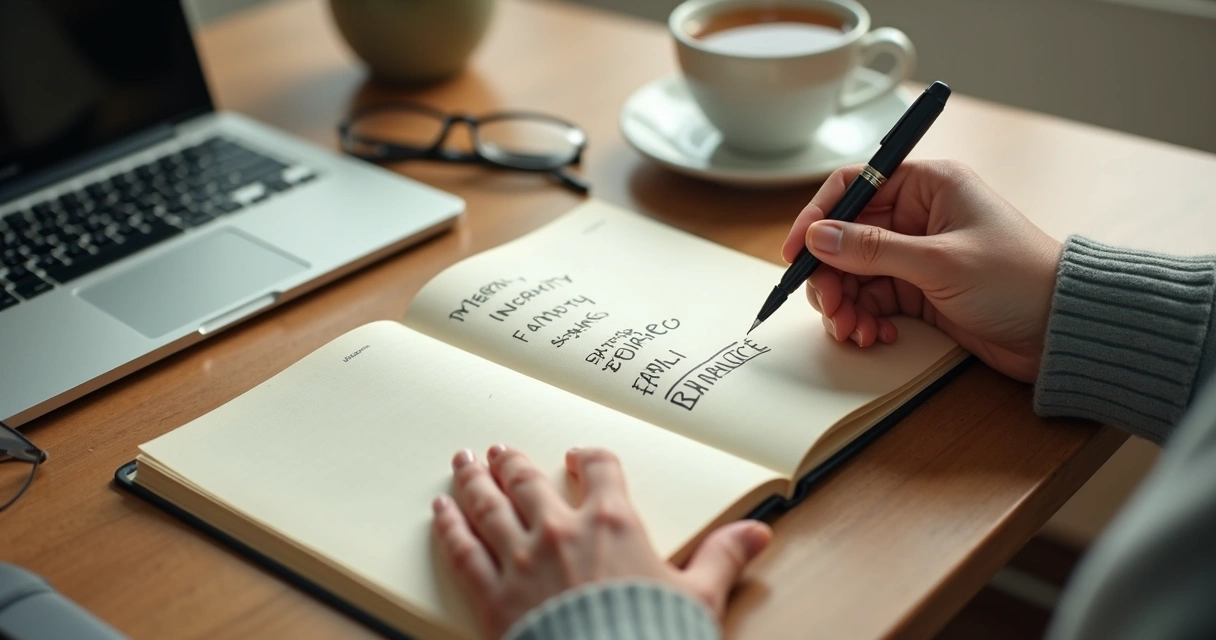
Outdated values rarely announce themselves. They wear respectable clothes. They sound moral. That is why they can stay in place for years.
We have found that outdated values often show up in these forms:
They are too absolute. Words like always, never, no matter what, and at any cost begin to control behavior.
They protect identity more than truth. We keep the value because changing it would change how we see ourselves.
They ignore context. The value does not leave room for complexity, growth, or human limits.
They were built for survival. What once kept us safe now keeps us small.
We once spoke with a person who said, very firmly, “ I value being needed. ” At first, it sounded caring. But the story behind it was sadness. If no one needed them, they felt empty. Their value was not love. It was fear of losing relevance. Once they saw that, a healthier value emerged: contribution without self-erasure.
That shift changed many choices. Work became cleaner. Relationships became less tense. Energy returned.
How social change shapes personal values
Values are personal, but they do not grow in isolation. They respond to the time we live in. Across societies, we can observe how values move with economic change, cultural pressure, and new collective concerns.
A long-term study of value change in Europe showed stronger support for universalism and benevolence over time. That points to a wider concern for cooperation, kindness, and shared well-being. In another context, research on social value shifts in China showed how urbanization, globalization, and economic change reshape what people hold dear.
We should not read this as a command to follow social trends. That would be shallow. But it does remind us that values live in contact with history. If the world around us changes, our inner framework may need review so we can respond with awareness instead of habit.
How to update values without losing yourself
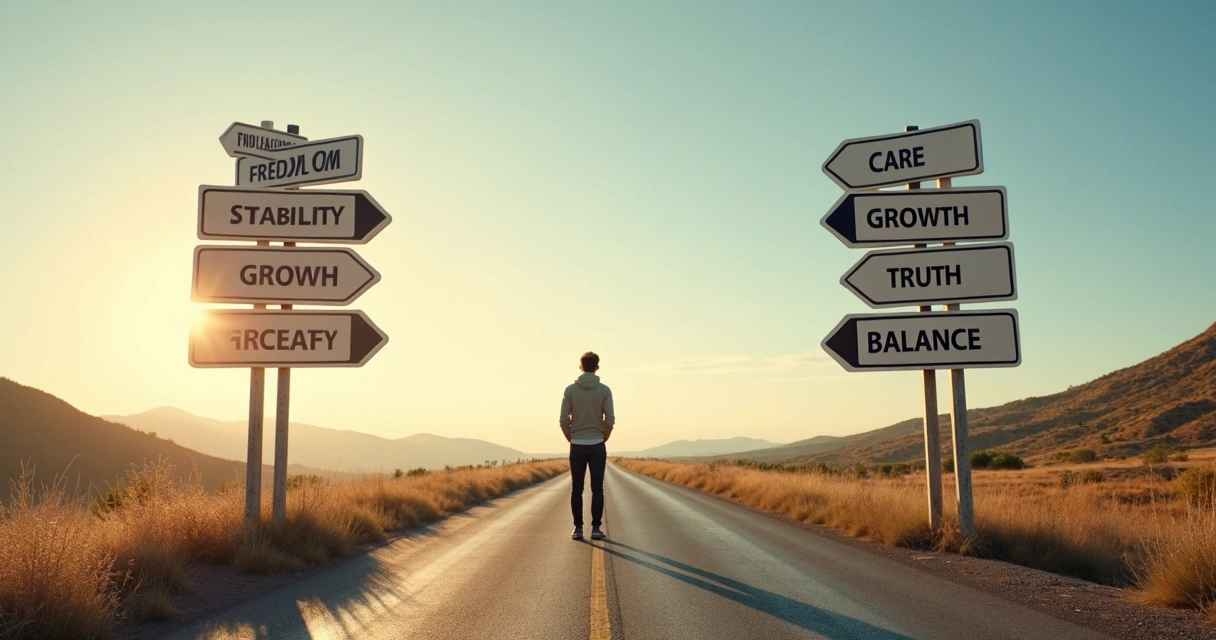
We do not need to destroy our whole moral structure. We need to test it honestly. A simple review can help.
We suggest moving through these steps with patience:
Name the values we say guide our life now.
Write what each value means in behavior, not just in words.
Notice where the value creates peace and where it creates strain.
Ask whether the value comes from choice, fear, or imitation.
Rewrite the value in a form that fits current reality and deeper truth.
For instance, success may become meaningful contribution. Loyalty may become honest commitment. Discipline may become steady self-respect. The word can change, or the definition can change. Both matter.
Updating a value means keeping the wisdom and removing the distortion.
Conclusion
Core values are meant to support a life of coherence. When they stop doing that, review is not weakness. It is a sign of awareness. We believe today’s challenges ask more from us than blind loyalty to old inner rules. They ask for reflection, emotional honesty, and the courage to refine how we live.
Sometimes one revised value changes many parts of life. A person who replaces approval with integrity breathes differently. A person who replaces control with responsibility relates differently. A person who replaces sacrifice with conscious care stops disappearing inside their own goodness.
If our values no longer help us face reality with clarity, then the update is already overdue.
Frequently asked questions
What are core values in life?
Core values are the inner principles that guide how we choose, relate, work, and respond to life. They shape what we see as right, meaningful, and worth protecting. Examples include honesty, compassion, freedom, courage, and responsibility.
How do I know mine need updating?
We usually know by the friction they create. If a value keeps leading to guilt, confusion, burnout, rigid judgment, or choices that no longer feel true, it may need review. The sign is not discomfort alone. The sign is repeated conflict between the value and a healthier way of living.
Why update core values for today?
Life conditions change, and values need to remain connected to present reality. New forms of work, relationships, technology, and social pressure can expose limits in old definitions. Updating values helps us act with more clarity, balance, and honesty in the world we live in now.
How often should core values change?
They do not need to change on a fixed schedule. We think it is wise to review them during major life transitions, after repeated inner conflict, or when a once-helpful principle starts causing harm. Some values stay for decades. Their meaning, however, may mature over time.
What are signs my values are outdated?
Common signs include feeling trapped by our own rules, using values to justify fear or overcontrol, struggling to adapt to new realities, and saying one thing while living another. Outdated values often sound noble, but in practice they block growth, honesty, or healthy connection.