

We have all experienced moments when we wish we could pause, redirect our attention, or hold back from a sudden emotional reaction. Self-regulation is the ability that makes this possible, yet many of us misunderstand what it really means and how we can apply it. The science of self-regulation goes far beyond willpower or discipline. It has roots in psychology, neuroscience, and even evolutionary biology. In this article, we draw on current science to show why self-regulation changes everything—and what most of us are missing when we try to strengthen it.
Understanding self-regulation in daily life
We think of self-regulation as the skill that lets us manage our thoughts, feelings, and behaviors in ways that fit our goals and values. It is the pause between impulse and action. It is the art of choosing our next step, rather than reacting on instinct. When we practice self-regulation, our decisions no longer feel automatic, but instead aligned with our purpose.
Everyday examples are everywhere:
- Pausing before replying to a difficult email.
- Resisting the urge to eat junk food when stressed.
- Redirecting focus after an interruption at work.
- Staying calm during conflict instead of shouting back.
But there is more to self-regulation than simply holding back. Self-regulation includes how we direct attention, how we set intentions for ourselves, and how we manage our emotions under stress.
The brain’s role in self-regulation
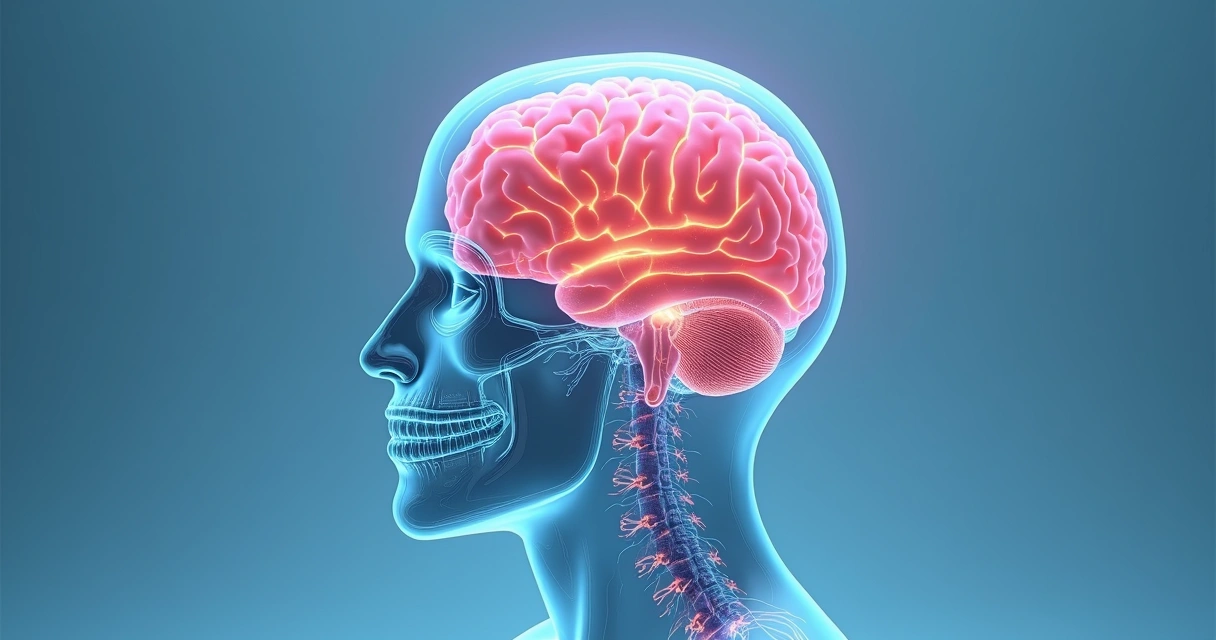
Scientific research shows that self-regulation relies on a network of brain regions. The prefrontal cortex—the area just behind the forehead—is central. This part of the brain helps us reflect, plan ahead, choose actions, and weigh consequences. When the prefrontal cortex is active, we are more likely to pause and think instead of reacting impulsively.
But it’s not the only player. The limbic system, including the amygdala, deals with emotion and threat detection. Our brain often faces a tug-of-war between emotional impulse and thoughtful control. The prefrontal cortex can calm the limbic system, but only if we have the space and practice to let it work.
Pause, and the brain changes its course.
Scientists have used MRI scans to see changes in these brain areas when people practice self-regulation skills, such as mindfulness or cognitive reframing. Regular training strengthens the connections between thinking and feeling centers, so reactions become steadier over time.
What most people get wrong about self-regulation
Despite its power, many misunderstand self-regulation. Common mistakes include reducing it to simply “self-control,” seeing it as a fixed trait, or treating it as just a matter of willpower. We see people beating themselves up for not being disciplined enough, without realizing the skills behind self-regulation can be trained and improved throughout life.
Here are a few things we’ve learned from experience and research:
- Self-regulation is not the same as suppression. Holding back emotion without processing it only leads to more stress.
- Willpower gets depleted. Studies found that self-regulation is like a muscle: it can tire, but it also grows with use.
- Context matters hugely. Environment, mood, sleep, blood sugar—all affect our self-regulation.
- Emotional awareness is the root. You cannot regulate what you do not notice. The first step is to notice feelings and impulses as they arise.
- Failures are part of growth. Self-regulation grows in cycles. Flaws and setbacks provide feedback, not evidence that we’re broken.
Failing to understand these points leads people to try harder when what they really need is to work smarter, with knowledge of the processes involved.
Three pillars of self-regulation
From our studies, we can break down self-regulation into three main skills. You can think of them like this:
- Self-monitoring: The ability to notice what you are thinking and feeling right now. This is about developing internal awareness.
- Self-evaluation: The skill to compare current behavior with your goals or values. Are your choices aligned with your longer-term interests?
- Self-adjustment: Making changes in real time. This may be as simple as taking a breath, changing your posture, or choosing a different response.
Mastering these three pillars makes self-regulation a living process, not a static trait. Missing even one pillar makes self-change much less likely to last.
The emotional foundation
Many of us focus so much on thinking that we overlook the emotional aspect of self-regulation. Emotions drive our strongest impulses. Becoming aware of and accepting our emotions, without trying to control or shut them down, is critical.
When we allow emotions to arise without judgment, they lose much of their power. Only then can we respond, rather than react. In our opinion, this emotional foundation is where most attempts at change go off track. We tend to underestimate how powerful even minor feelings can be in shaping our actions.
Emotional awareness unlocks real choice.
Practical tools such as naming the emotion, pausing to breathe, and gently questioning the story behind a feeling all enhance our self-regulation capacity.
Daily practices for building self-regulation
If self-regulation is a skill, it makes sense to train it daily. We suggest simple steps that have strong evidence behind them:
- Check in with yourself regularly. Set reminders to pause and notice your feelings and thoughts.
- Practice micro-pauses. When you sense a strong urge or emotion, wait a few seconds. Breathing deeply helps the brain regain perspective.
- Change your environment. Remove temptations or triggers if possible. Sometimes, adjusting the situation is easier than changing yourself in the moment.
- Reflect at the end of the day. Review moments you did well, and when you wish you’d paused. Use these as information, not for self-criticism.

Over time, these small daily actions actually change the way our brain responds to triggers. Consistency is the difference between momentary effort and actual transformation.
When self-regulation fails
No one has perfect self-regulation. There will be days when old habits take over, or when stress is so high it overrides everything else. In those moments, self-compassion becomes essential. Blame and shame bury growth. Real change begins when we pay attention to what happened, pause, and gently start again. Self-regulation is not about perfection, but progress and coherence.
Conclusion
We believe self-regulation is a key that opens the door to conscious living. The science shows us it’s not just about willpower but about understanding our own minds and emotions, and creating environments that support our better choices. The biggest thing most people miss is that self-regulation is teachable, flexible, and can grow with daily practice. It is our invitation to conscious choice, emotional maturity, and living in alignment with our values.
Frequently asked questions
What is self-regulation in simple terms?
Self-regulation means guiding your own thoughts, emotions, and actions so they match your goals and values. It lets us pause before we act, choose our response, and stay focused even when it’s hard.
How can I improve my self-regulation?
You can improve self-regulation by practicing regular self-checks, pausing before reacting, using tools like mindfulness, and adjusting your environment to reduce temptations. Reflecting on what works and where you struggle also helps you grow.
Why is self-regulation important for success?
Self-regulation allows you to stay on track, adapt under stress, and make choices that help you reach your goals. People who develop this skill often see better progress in relationships, work, and personal growth.
What are common self-regulation mistakes?
Common mistakes include trying to suppress emotions rather than understanding them, relying only on willpower, ignoring your physical state (like hunger or tiredness), and blaming yourself for setbacks instead of learning from them.
Can self-regulation be learned or trained?
Yes, self-regulation is a skill that can be strengthened with practice, reflection, and regular feedback. The brain’s pathways grow stronger with repeated use of self-regulation tools, making real change possible over time.