

We like to think our choices are fair. We listen, compare, and decide. That is the image many leaders carry of themselves. Yet daily leadership rarely happens in slow motion. It happens in meetings, quick replies, hiring talks, feedback moments, and small reactions that pass almost unseen.
Implicit bias is the mental shortcut that shapes judgment before conscious thought fully enters the room.
That does not mean a leader is dishonest or ill intentioned. It means being human comes with patterns. We sort people fast. We fill gaps with assumptions. We trust what feels familiar. In our experience, this becomes risky when authority is involved, because private bias can become public impact.
Small choices leave long traces.
A team member speaks with less polish and gets read as less prepared. Another one reminds us of someone we trust, so we give them more room. A third person makes one mistake, and we start seeing all their work through that single event. These are common moments. They are also moments where leadership quietly shapes culture.
How bias enters ordinary leadership
Bias does not only appear in large, visible decisions. It also enters routine actions that feel harmless. In fact, routine is where it hides best. We may not notice it because nothing dramatic seems to happen.
Some of the most common spaces where it appears are these:
Hiring and first impressions during interviews
Who gets more trust, visibility, or second chances
How we describe confidence, warmth, or leadership presence
Performance reviews and promotion discussions
Whose ideas get repeated, credited, or ignored
One meeting can show all of this at once. We may praise one person for being direct and judge another for the same tone. We may call one employee promising and another difficult, even when their behavior is similar. The words sound normal. The pattern is not.
A study on performance appraisals in a multinational organization found that manager ratings undervalued Black employees in the United States, with scores needing to rise by about 22 to 28 percent to close the observed racial gaps. That kind of gap does not come from one dramatic event alone. It grows through repeated judgment calls.
Why self-image can block awareness
Many leaders resist this topic because they hear it as a moral attack. We understand that reaction. No one wants to see themselves as unfair. Still, leadership maturity begins when we stop treating bias awareness as a threat to identity.
Good intentions do not cancel hidden patterns.
We have seen leaders become more open once they grasp one simple point: bias is not just about what we believe. It is also about what we fail to question. If we only inspect our values, but not our habits, we stay partially blind.
There is also the speed problem. Leadership often rewards fast certainty. We are expected to read the room, make calls, and move forward. But speed can protect bias. The faster we judge, the more likely we are to rely on old mental categories.
That is why deeper awareness is not passive. It asks for interruption. A pause. A second look.

What awareness looks like in practice
Awareness is not only reflection after damage is done. It can be built into the way we lead each day. We think of it as a discipline of noticing. Noticing who gets our patience. Noticing who we interrupt. Noticing what kind of behavior we reward without naming why.
A helpful way to begin is to ask better questions before making a judgment:
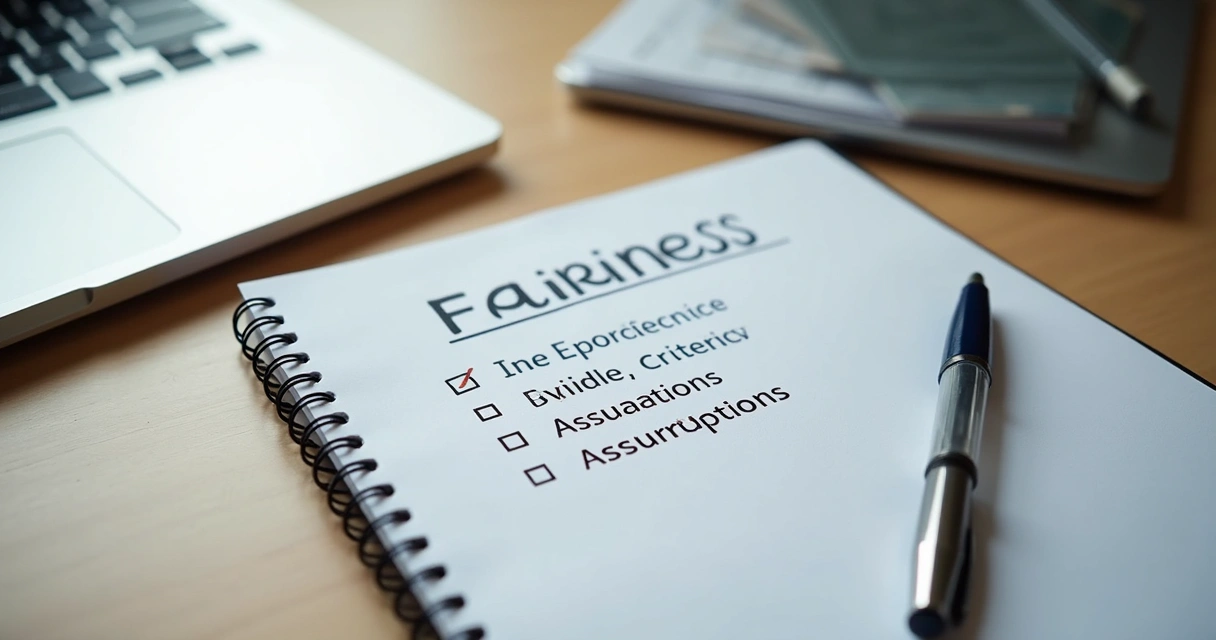
What facts do we actually have?
What assumptions are we adding?
Would we read this behavior the same way in someone else?
Are we reacting to style, similarity, or real performance?
These questions sound simple. That is the point. Useful awareness must fit real life. A leader cannot stop for an hour before each conversation. But we can create a short inner check that reduces automatic judgment.
We also find that language reveals bias quickly. Words like professional, strategic, difficult, polished, or natural leader can carry hidden preference if they are left undefined. When we do not define terms, we leave room for personal filters to act as truth.
Daily habits that reduce blind spots
Bias cannot be removed once and for all. It can, however, be managed with structure. Strong leaders do not trust impulse alone. They build practices that protect fairness, especially when pressure rises.
Some daily habits help more than people expect:
Use clear criteria before interviews, reviews, or promotions
Write feedback based on observable behavior, not vague impressions
Track who speaks, who is heard, and who receives follow-up chances
Ask another leader to review high-stakes decisions
Pause before labeling a person by one event or one trait
Bias weakens when decisions move from instinct alone to observable criteria.
We once saw a leader change team morale with one adjustment. Instead of asking managers who seemed ready for more responsibility, the leader required written evidence tied to the same set of standards for everyone. The room changed. Opinions became clearer. Hidden favoritism had less space to breathe.
That kind of shift matters because fairness is felt, not just announced. Teams notice who gets forgiven. They notice who gets stretched, coached, sidelined, or doubted. Even when people say nothing, they are reading leadership all the time.
The link between bias and emotional maturity
There is another layer here. Bias is not only cognitive. It is emotional too. We tend to defend what feels familiar and withdraw from what feels uncertain. If a leader has low tolerance for discomfort, they may confuse personal unease with poor fit.
This is where emotional maturity changes leadership quality. When we can sit with tension, we become less reactive. We ask instead of assume. We stay curious when someone communicates, works, or leads in a way different from ours.
We think many leadership errors begin in unexamined emotional reactions. Irritation. Admiration. Defensiveness. Ease. These feelings are real, but they should not rule judgment without review.
Awareness begins before the decision shows.
The more conscious the leader, the less likely that hidden preference will quietly direct outcomes. This is not perfection. It is practice. Honest, repeated practice.
Conclusion
Implicit bias in leadership is not a side topic. It lives inside ordinary choices, and ordinary choices shape careers, trust, and culture. We do not reduce bias by claiming fairness. We reduce it by examining how we see, how we interpret, and how we decide when no one is stopping us.
Leadership becomes more credible when awareness enters the small moments. The pause before feedback. The reason behind a rating. The fairness of an opportunity. This is where values become visible. This is where inner maturity meets outer action.
Frequently asked questions
What is implicit bias in leadership?
Implicit bias in leadership is the set of hidden assumptions that can shape how we judge people, even when we believe we are being fair. It affects how leaders assess talent, behavior, trust, and potential without always noticing it.
How can leaders spot their biases?
Leaders can spot their biases by slowing down key decisions, reviewing patterns in feedback, comparing how they react to similar behavior in different people, and asking for outside review. Repeated self-checks make hidden patterns easier to see.
Why does bias matter in daily decisions?
Bias matters in daily decisions because leadership is built through repeated small judgments. These choices affect hiring, recognition, promotion, trust, and team morale. When bias goes unchecked, unfairness can become normal inside the culture.
How to reduce bias in leadership roles?
We can reduce bias in leadership roles by using clear standards, grounding evaluations in observable behavior, documenting reasons for decisions, and inviting thoughtful review from others. Structure helps limit the weight of personal preference.
Can training help with bias awareness?
Yes, training can help with bias awareness when it goes beyond theory and connects to daily leadership behavior. Training works best when paired with reflection, clear practices, and follow-up that changes how decisions are made over time.