

We all have thoughts that pop into our minds without warning. Sometimes these thoughts are helpful, but other times they are self-critical, anxious, or downright untrue. These are called automatic thoughts, and over the years, we've learned that conscious awareness and practical tools can help us challenge them, creating space for healthier patterns and greater peace.
Understanding automatic thoughts
Automatic thoughts are brief, involuntary ideas that appear in response to everyday situations, often without conscious intention or effort. They are fast, fleeting, and frequently shaped by our past experiences, beliefs, and emotional states. Most of the time, we aren't even aware of them. But they can influence how we feel, how we behave, and what we believe about ourselves and the world.
For example, imagine receiving constructive feedback at work. Without stopping to reflect, a thought might surface: "I always mess things up." This automatic reaction might trigger anxiety or sadness, even if the feedback was well-intentioned.
Over time, unexamined automatic thoughts can fuel cycles of self-doubt, worry, or even depression. Recognizing these patterns is the first step in challenging them.
Why do automatic thoughts matter?
Our thoughts direct our actions, shape our responses, and color our perceptions. When automatic thoughts are negative, they can create unnecessary suffering. Studies, including a randomized controlled trial showing that group cognitive behavioral therapy can reduce both depressive symptoms and automatic negative thoughts, make it clear that challenging these thoughts is worthwhile (group cognitive behavioral therapy can reduce both depressive symptoms and automatic negative thoughts).
When we learn to challenge automatic thoughts, we open the door to more balanced moods, greater emotional maturity, and improved relationships.
Common examples of automatic thoughts
From our experience, automatic thoughts can take many forms. Here are a few common examples:
-
"I'm not good enough."
-
"People will judge me."
-
"Nothing ever works out for me."
-
"If I don't do this perfectly, I will fail."
-
"Others have it all figured out."
Most of us recognize at least one of these as something we've thought—often without realizing it affected our mood or behavior.

How do we spot automatic thoughts?
Spotting an automatic thought in real time can be tricky. We often notice the feeling first: irritation, anxiety, sadness—rather than the thought itself. In our practice, we've found these can be signs that an automatic thought is at work:
-
An immediate emotional shift (sudden anxiety, shame, or anger)
-
Self-judgment or criticism that feels habitual
-
A strong urge to withdraw, avoid, or react defensively
Pausing for a moment when we notice these signs allows us to ask, "What just went through my mind?" This simple question helps bring the thought into awareness.
What steps can we take to challenge automatic thoughts?
Challenging automatic thoughts is not about forcing ourselves into endless positivity, but about seeking a balanced, reality-based perspective. We've identified a set of practical steps that can help.
-
Notice the situation and emotion. Begin by observing when you experience a strong emotional reaction. Write down the situation, and name the feeling as best as you can ("I felt anxious after the meeting").
-
Identify the automatic thought. Ask yourself, "What was running through my mind just now?" It often helps to write this down, even if it feels harsh or illogical.
-
Examine the evidence. Is there real evidence that supports or contradicts this thought? What facts do you have? Try to list both.
-
Consider alternative perspectives. What might someone else say? Is there another way to interpret the situation? This can open space for a less rigid or negative view.
-
Test the impact of a different thought. Try replacing the automatic thought with a balanced, realistic one. Practice noticing how you feel after making this shift.
With consistent practice, this process becomes more natural, and our responses shift over time.
Tools and supports for changing thought patterns
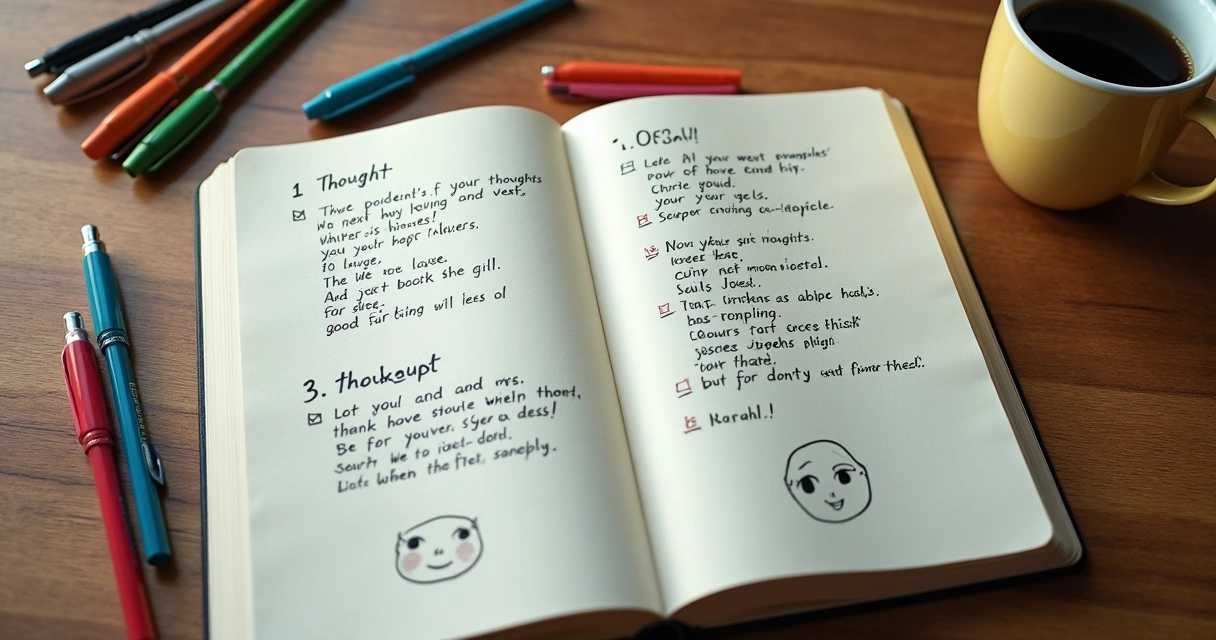
Written thought records and self-guided exercises are classic tools for this process. Prompting ourselves to actually write down our thoughts creates distance and new perspective.
Increasingly, research is showing that digital and AI-based tools may also make this process easier and more accessible, by helping identify patterns and suggest ways to reframe our thinking. In fact, an exploratory study suggests artificial intelligence can support the identification and modification of automatic negative thoughts.
At the same time, studies published in Clinical Psychology Review found that directly challenging thoughts is valuable, but that connection and behavioral change also play a role in improving mental well-being (studies published in Clinical Psychology Review).
Challenging thoughts is powerful, but it is not the only step on the path to change.
Personalizing your approach
Not every technique works for everyone. In our experience, some people benefit from writing, while others find value in talking it through or building new routines that interrupt unhelpful patterns. Experimenting with what fits best is part of building self-awareness and responsibility for our own growth.
Over time, you may find that certain triggers become easier to handle, and you start to recognize your own patterns before they take over. This is a sign that your effort is working—and that you are building a foundation for conscious, grounded living.
Taking responsibility for your thoughts
While automatic thoughts do arrive without our permission, we always have a choice about what comes next. We can choose to challenge, reframe, or simply notice them. We can also ask for support when it's needed, knowing that real change is possible.
We can't always control what comes into our minds, but we can shape what stays.
Conclusion
Challenging automatic thoughts is a journey of awareness, kindness, and practice. By noticing our thoughts and learning to question them, we gain freedom from old patterns and find more coherence between our values, emotions, and actions. We have seen firsthand that with patience and consistent practice, these skills lead not only to better mood, but deeper presence and connection in all areas of life.
Frequently asked questions
What are automatic thoughts?
Automatic thoughts are spontaneous, involuntary ideas or images that occur in response to daily experiences. Often formed by our beliefs and past experiences, these thoughts can be positive, neutral, or negative, and they usually shape how we feel and act before we have time to reflect.
How do I spot automatic thoughts?
We suggest paying attention to sudden emotional shifts, moments of self-judgment, or when you notice a strong urge to react. Pause and ask, "What just went through my mind?" Writing down your answer helps bring the thought from the background into focus.
How can I challenge negative thoughts?
First, notice the thought and the feeling it triggers. Then, look for evidence that supports or challenges the thought. Consider what someone else might say or what a more balanced view might be. Write down a new, more realistic thought and see how it changes your feelings.
Are automatic thoughts always true?
No, automatic thoughts are not always true. They arise quickly and often reflect old habits or beliefs rather than reality. Challenging them gives us the opportunity to see things more clearly and respond in healthier ways.
Is it worth it to challenge thoughts?
Yes, challenging automatic thoughts can reduce distress, support emotional maturity, and improve relationships. Studies have shown that learning to reframe unhelpful thoughts leads to positive changes in mood and well-being, making the effort worthwhile for many people.